


 24 Hour Emergency Aid

Heart disease is no longer a silent threat that goes unnoticed until it’s too late. Thanks to remarkable advancements in medical science, we now have highly effective tools to detect, manage and treat heart problems early—and interventional cardiology is leading that transformation.
What Is Interventional Cardiology?
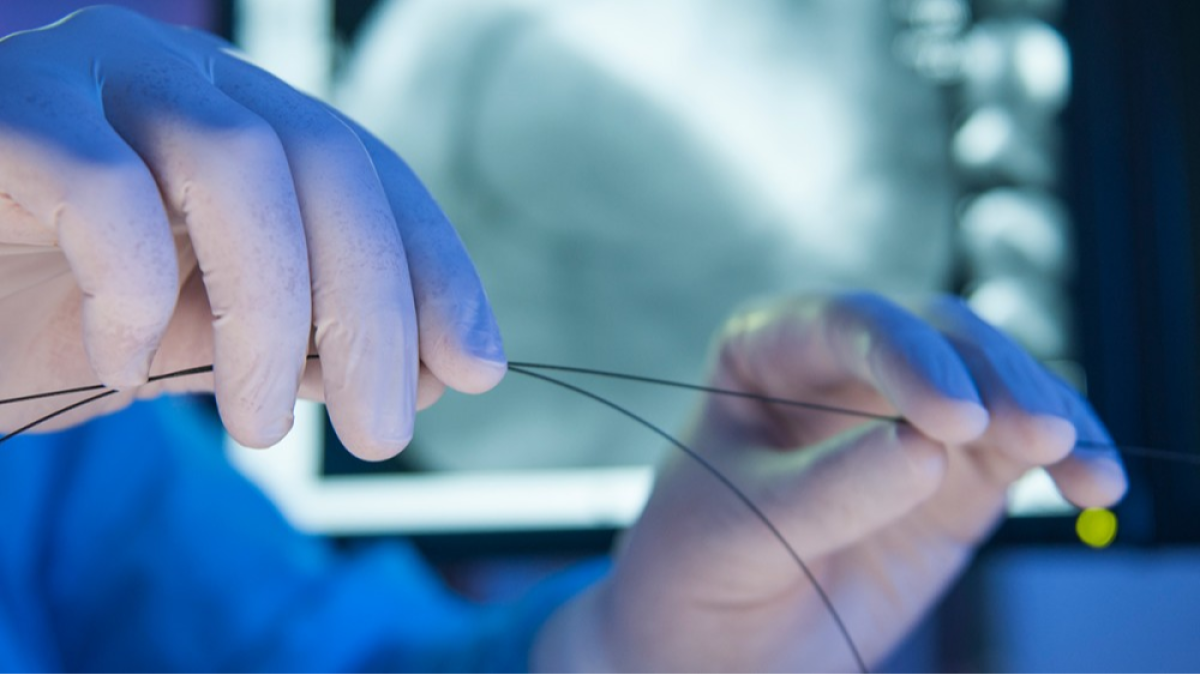
Interventional cardiology is a specialized branch of cardiology that focuses on minimally invasive procedures to diagnose and treat heart conditions. Using thin, flexible tubes called catheters inserted through small incisions, interventional cardiologists can access the heart without the need for open surgery. These procedures are typically performed in a cardiac catheterization lab using advanced imaging technology.
Common interventional procedures include:
- Angioplasty and stenting to open blocked arteries
- Valve repair or replacement without open-heart surgery
- Pacemaker and defibrillator implantation
- Rotablation and thrombectomy to remove plaque or clots
Why Choose Interventional Cardiology?
The benefits are significant and clear:
- Minimally Invasive: Smaller incisions mean less pain, lower risk and shorter hospital stays.
- Faster Recovery: Patients often return home the same day or within 24–48 hours.
- Precision and Safety: Real-time imaging allows pinpoint accuracy with minimal trauma to surrounding tissue.
- Life-Saving Potential: Timely interventions after a heart attack or during an emergency can be the difference between life and death.
Expertise Matters
At our center, Dr. Nishant Sunkarineni, an expert in interventional cardiology, combines international training with years of experience to deliver world-class care. His patient-first approach, paired with cutting-edge technology, ensures each individual receives precise and compassionate treatment.
Final Thoughts
Whether you’re managing chronic chest pain, recovering from a heart attack or facing valve disease, interventional cardiology offers a safer, faster, and more effective path to recovery. It’s not just about saving lives—it’s about improving the quality of those lives, too.